










AirdocFirst Listed Medical AI Company within Asian in HK Stock
AI Fundus CameraEnabling the Future of Preventive Healthcare
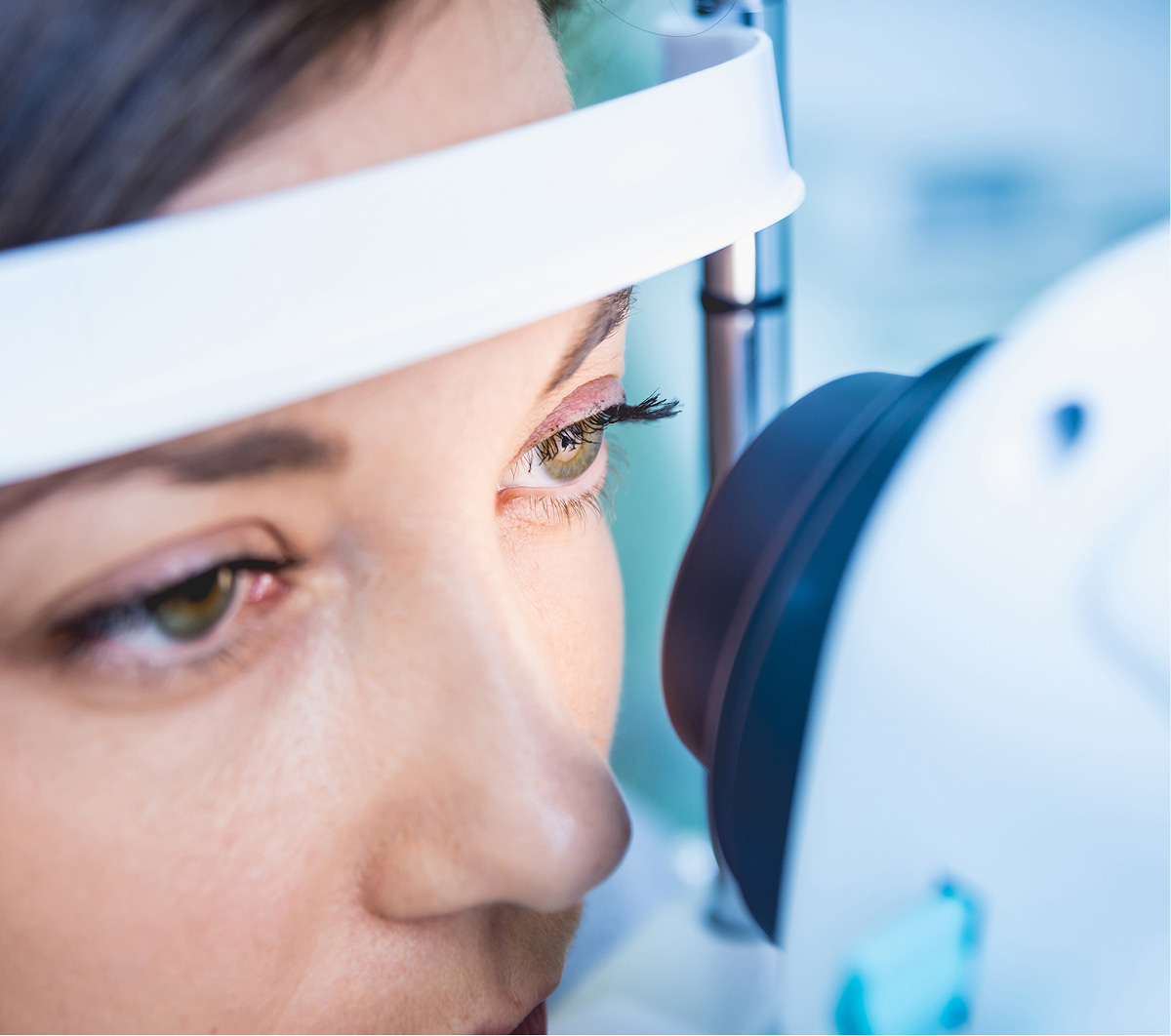
Non-Invasive Retinal Imaging
- < 1 minute per eye
- No injections and dilation (where applicable)
- Suitable for mass screening
AI-Powered
Analysis
- Clinically trained AI models
- Identifies multi-system health risks
- Consistent, objective assessment
Comprehensive Risk Report
- Clear, structured results
- Easy for doctors to interpret
- Suitable for wellness programs
Early Intervention & Prevention
- Supports clinical decision-making
- Enables early detection & monitoring
- Reduces long-term healthcare costs
The Sole Direct Window into Chronic DiseasesRetina as a Diagnostic Tool
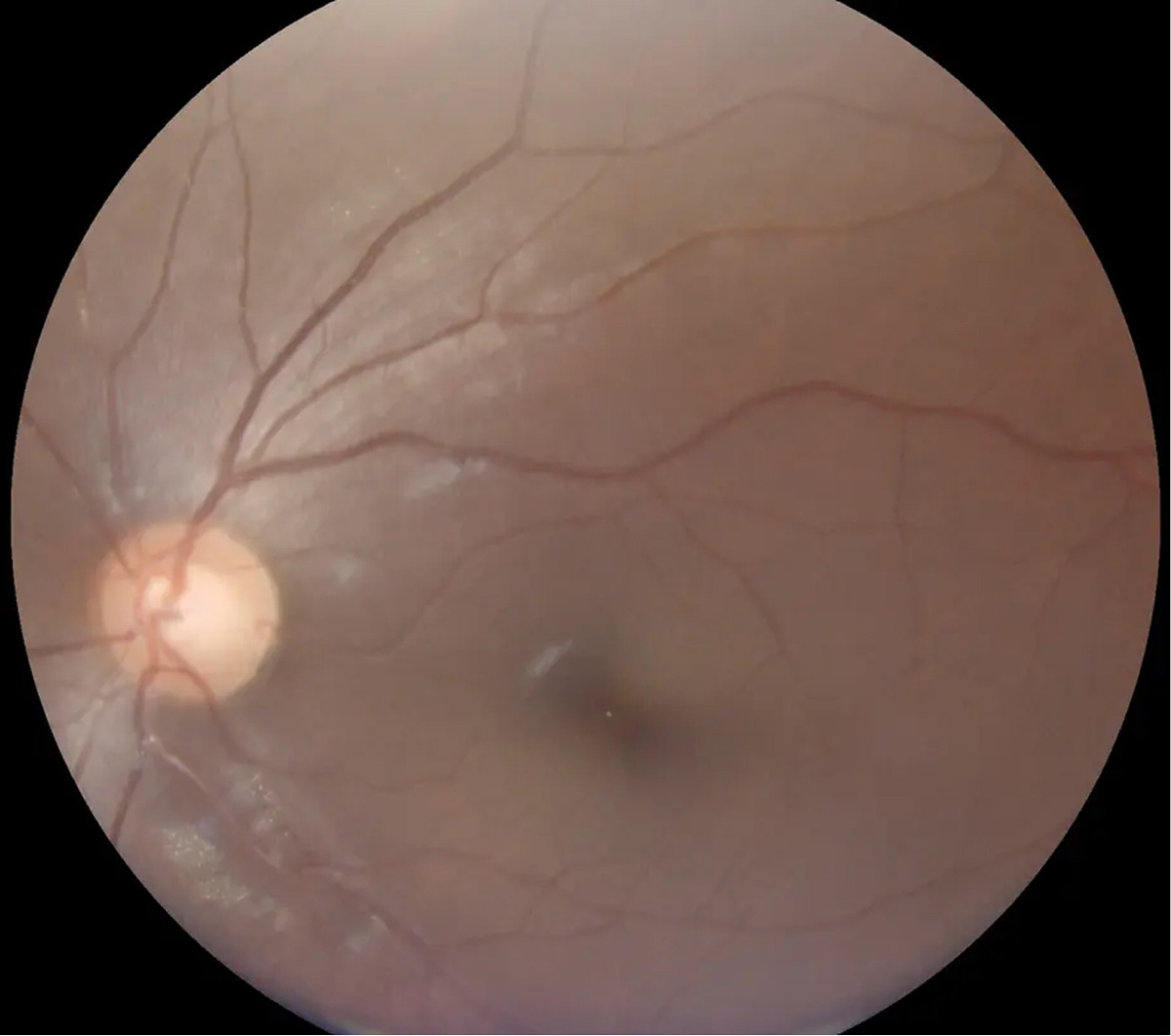
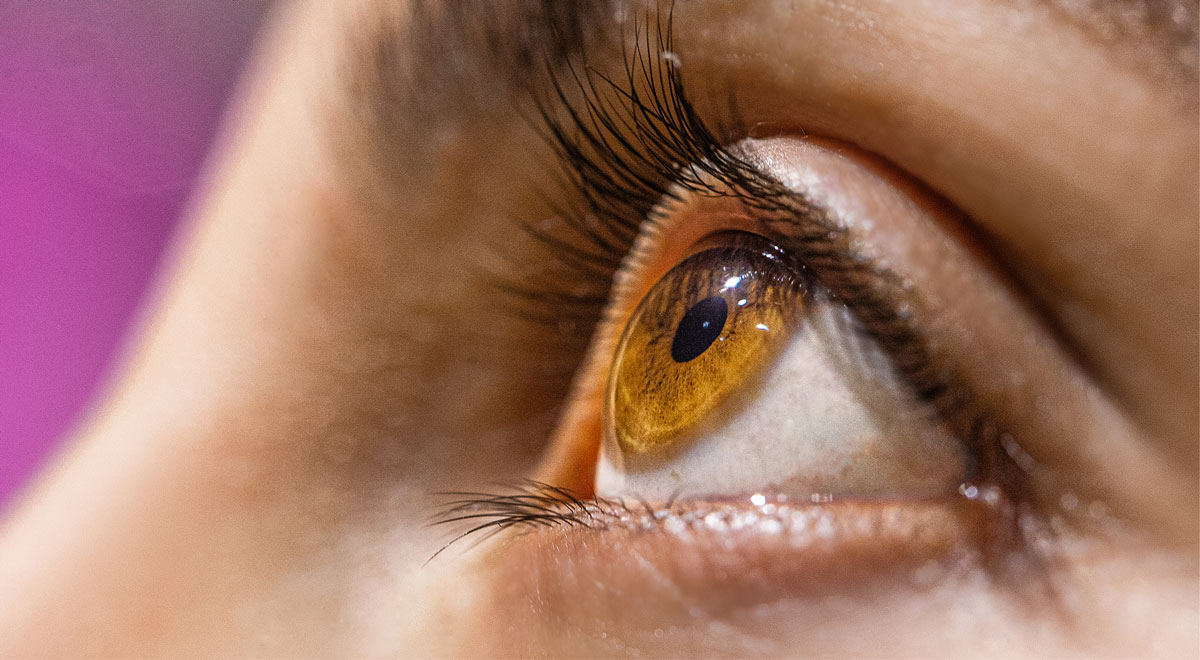
The retina is the only part of the human body where microcirculation can be directly visualized, making it a valuable tool for detecting the progression of cardiovascular and cerebrovascular complications.
Risks
9 type of Chronic Diseases risks detected
Quantification
Up to 13 quantification indicators
Abnormal
Able to scan and detect 39 type of diseases
AdvantagesAirdoc AI Retina Analysis Advantage
Accurate
- AUC curve 94+% for major diseases.
- Equal to or better than that of ophthalmologists, including experienced retinal specialists.
Fast
-
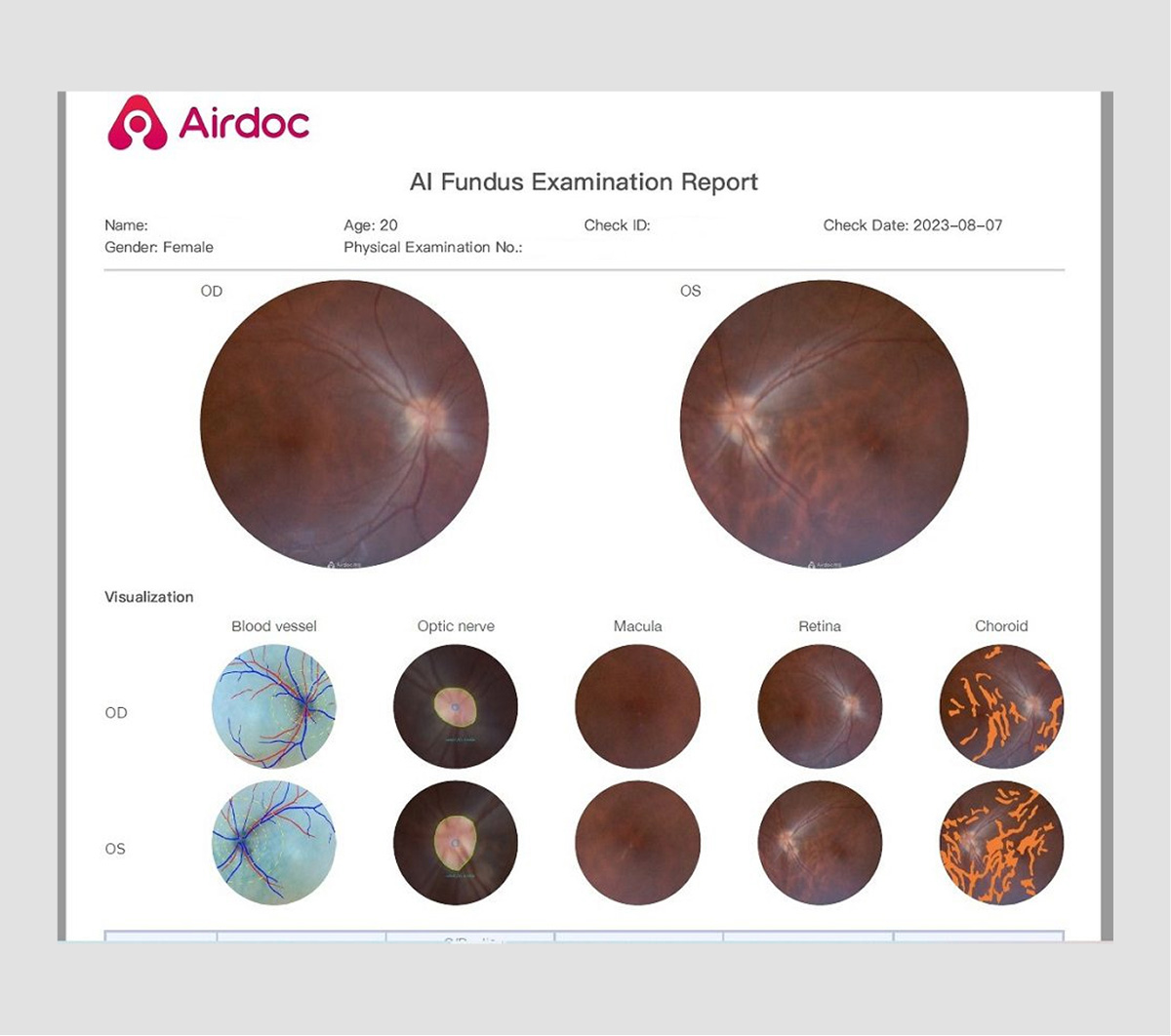
The retina AI cloud will generate a report in maximal 3 minutes.
- Summary + Abnormalities
- Quantification details
- Risks
- Positive Case Report
Convenient
- Only 1 pair of retinal images needed, with no extra equipment.
- Detected 39 diseases and lesions from that single pair.
ProductsAirdoc Products
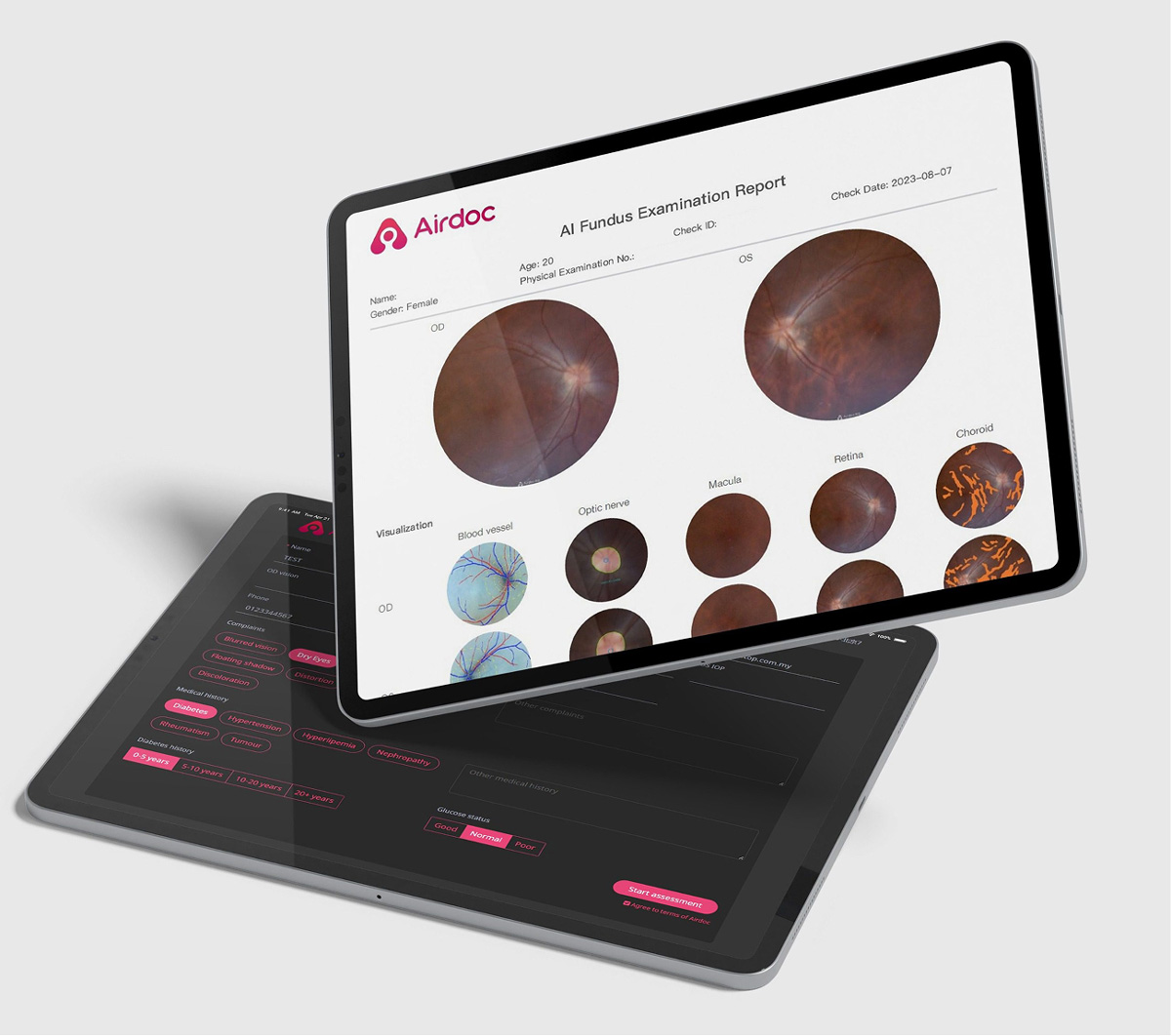
It can be used to predict several risk factors via retinal imaging analysis, allowing for the assessment of dozens of health risk indicators for the cardiovascular system, endocrine system, nervous system, and the eyes.
Start a Scan
Capture Retinal Picture
Get Electronic Report
Make Health Management

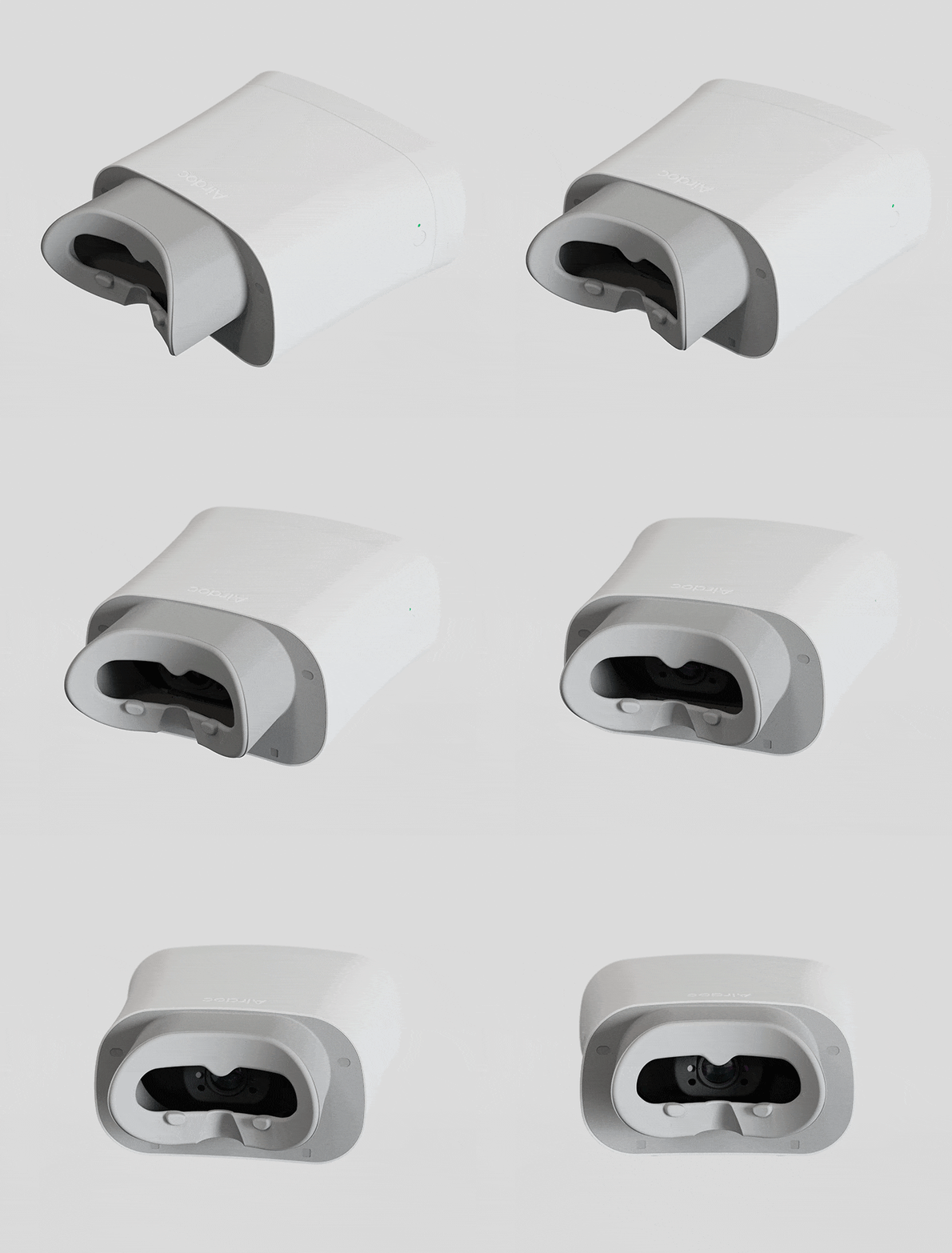
Next-generation AI fundus camera 16M
Obtained a class II medical device certificate Lighter, Faster, and More Convenient Discover Chronic Disease Health Insights Early with Just One Fundus Photo Accurately Monitor Whole-body Vascular and Neural Health Risks in 1 Minute, while Simultaneously Conducting Eye Health Assessment

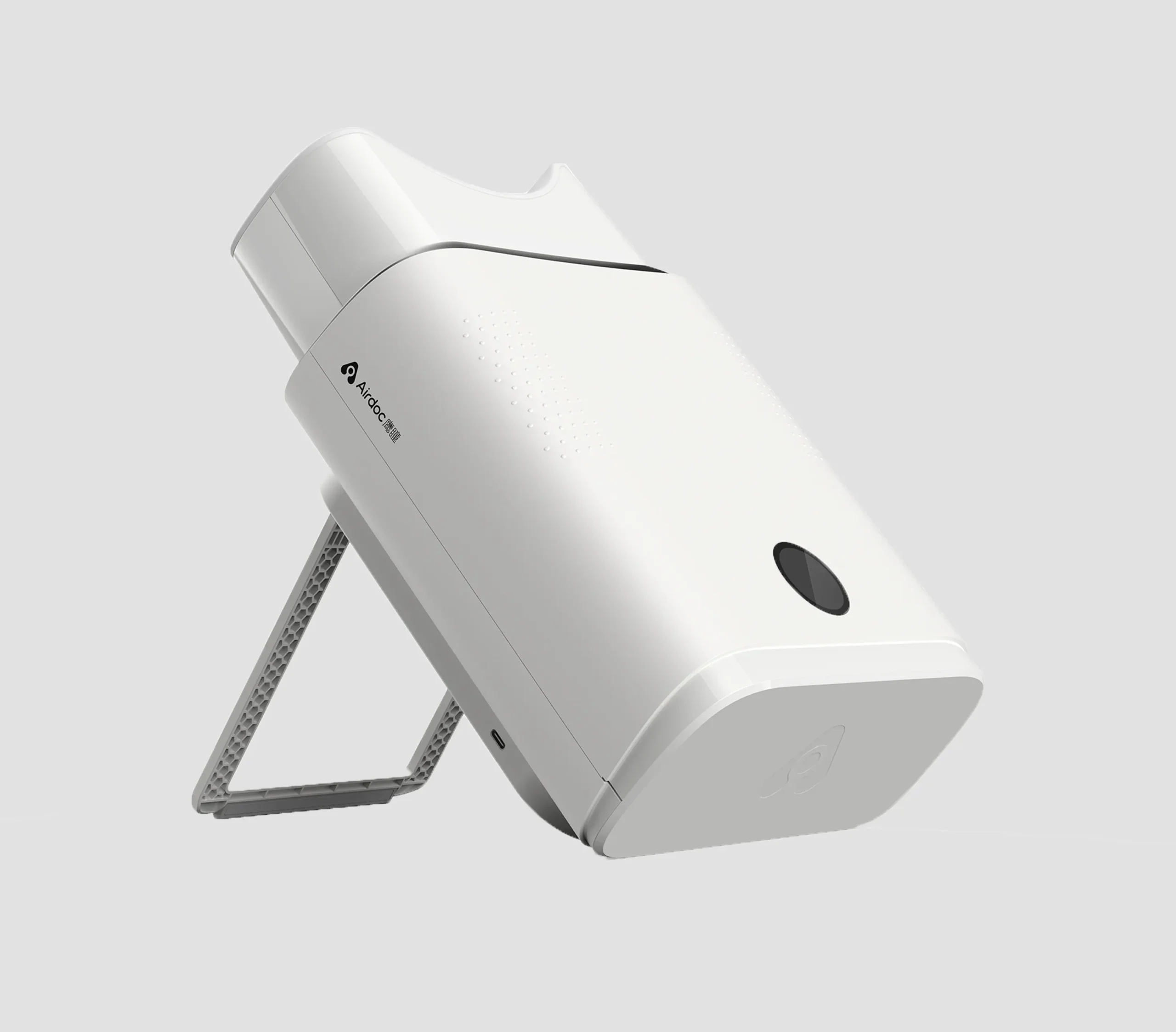
Portable Fundus Camera AI-FD16aF
Obtained a class II medical device certificate A fundus camera specially designed for common screening for chronic diseases through the retina
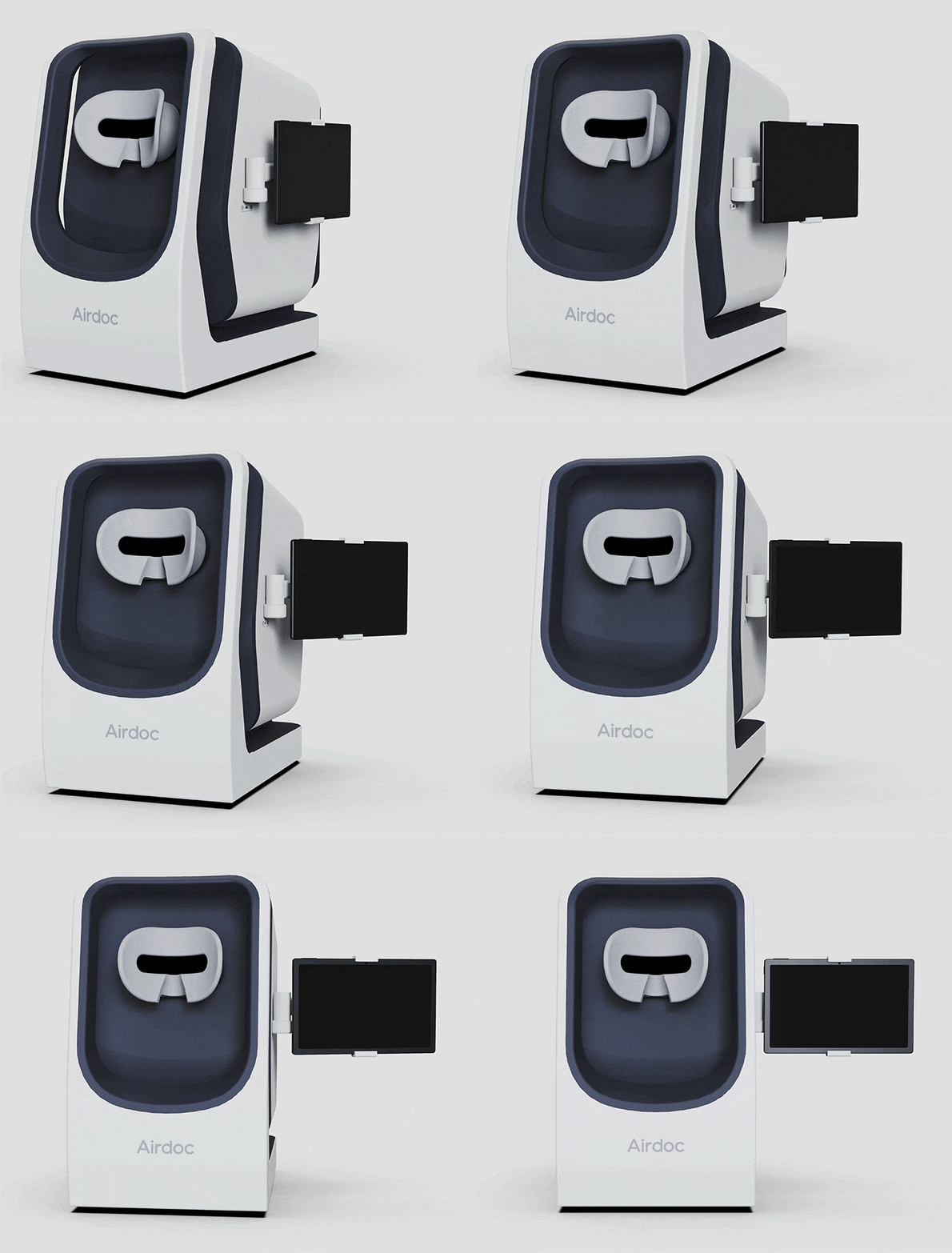
Desktop Fundus Camera AI-
FD16r
Obtained a class II medical device certificate A desktop fundus camera that offers solid image quality and a high cost-performance ratio


Airdoc Vision Rehabilitation Instrument
Obtained the Registration Certificate for Class II Medical Devices Prevents axial myopia and aids in the auxiliary treatment of myopia

Vision Rehabilitation Instrument (Pro Edition)
Approved with Class II Medical Device Registration Certificate Supports personalized prescriptions and gear settings, with a suggested retail price of 16,800 RMB Please consult a cooperative medical institution and purchase & use under the guidance of professional physicians.


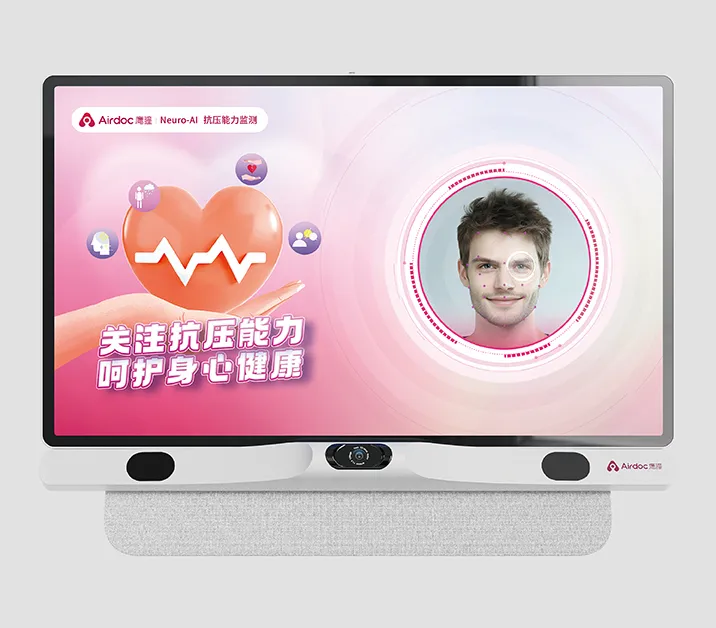
Airdoc Neuro-AI
Non-contact measurement with objective assessment completed in approximately 90 seconds. Provides multidimensional evaluation of: Stress resilience Physiological stress Psychological stress Autonomic nervous system activity and balance AI-driven autonomic nervous system holographic modeling and eye-tracking under visual stimulation.
Airdoc WanYu Large Language Model
- Enhance the quality and efficiency of healthcare services
- Assist in clinical decision-making
- Serve as a trustworthy intelligent assistant
The Lancet - Digital Health
IF: 36.615
Science Bulletin
IF: 20.577
Why Airdoc is Trustable
Since 2018, more than 50 papers have been published in high-IF journals.
Our deep learning models are backed by rigorous peer-reviewed validation, proving their high clinical precision and objectivity across major medical publications:
Age and Ageing
IF: 12.782
Cell Reports Medicine
IF: 16.988
JAMA Network Open
IF: 13.400
Case Studies
Discover how healthcare providers and wellness programs leverage our deep learning models to achieve early intervention, optimize patient screening workflows, and lower long-term care costs.