
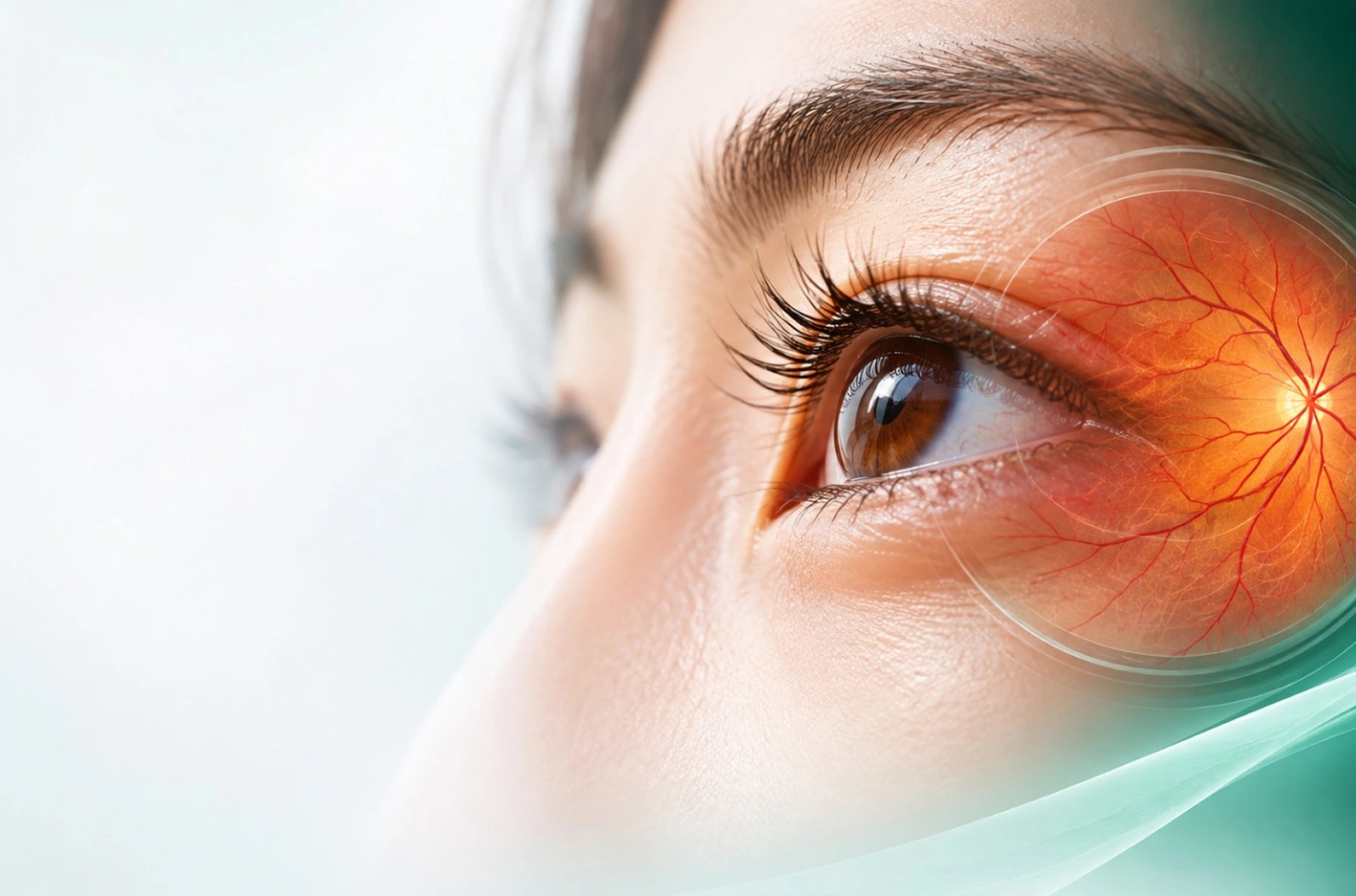
Understanding retinal vascular changes and the role of AI retinal screening in preventive healthcare.
Introduction: Your Eyes May Reveal More Than You Think
When we think about vascular health, we often associate it with the heart, brain, blood pressure and cholesterol levels. However, there is another part of the body that offers a unique opportunity to observe the condition of our blood vessels: the retina.
The retina is a light-sensitive layer at the back of the eye, supplied by an intricate network of tiny blood vessels. Unlike many other blood vessels in the body, retinal vessels can be directly observed through specialised imaging without invasive procedures.
Research has shown that certain retinal vascular changes are associated with hypertension, diabetes, ageing and cardiovascular risk factors. These changes may provide additional clues about underlying vascular health, including possible signs associated with arteriosclerosis.
With advances in artificial intelligence (AI), retinal image analysis is opening new opportunities for preventive healthcare and earlier identification of potential health risks.
Understanding Arteriosclerosis: A Silent Vascular Concern
Arteriosclerosis refers to the thickening, hardening and loss of elasticity of arterial walls. It is commonly associated with ageing and long-term vascular risk factors such as high blood pressure, diabetes and unhealthy cholesterol levels.
As arteries become less flexible, their ability to accommodate changes in blood flow may be affected. Over time, these vascular changes can contribute to an increased risk of cardiovascular and cerebrovascular complications. The challenge is that arteriosclerosis may develop gradually without obvious symptoms during its early stages, which is why preventive health assessments and the identification of potential vascular risk indicators are important.
Why the Retina Is a Window into Vascular Health
The retina contains a network of small arteries and veins that form part of the body’s microcirculation. Because these vessels can be photographed and examined directly, retinal imaging allows healthcare professionals to observe changes in vessel structure, calibre and appearance.
Some retinal vascular characteristics have been associated with systemic vascular conditions, particularly hypertension and other cardiovascular risk factors:
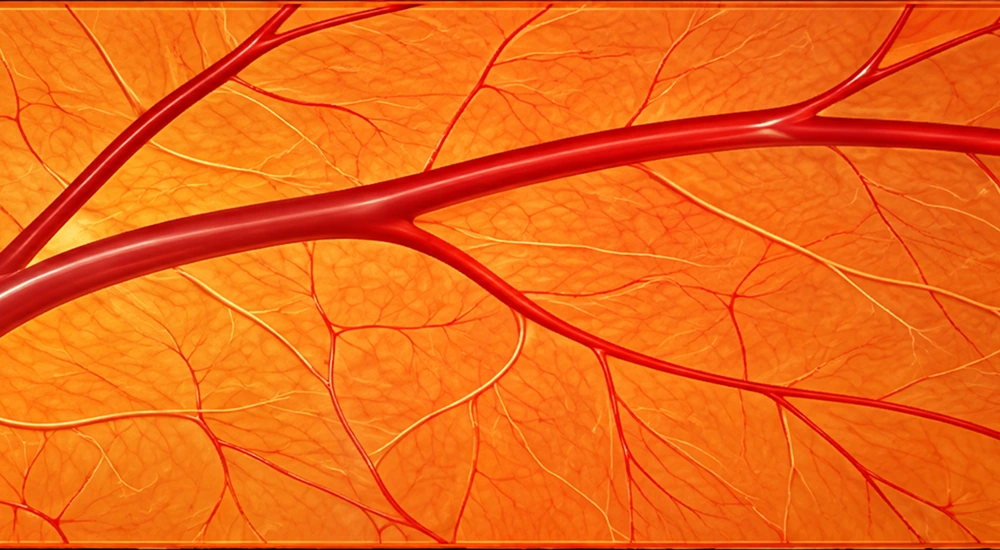
Retinal Arteriolar Narrowing
A reduction in the width of retinal arterioles may be associated with elevated blood pressure and vascular changes.
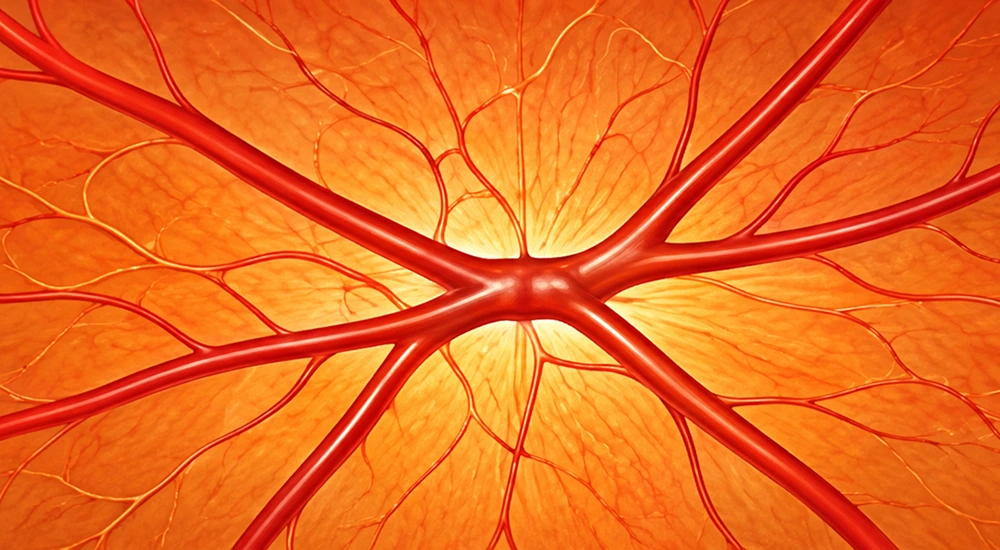
Arteriovenous Nicking
A change in the vein at the point where an artery crosses it, commonly associated with chronic hypertensive vascular changes.
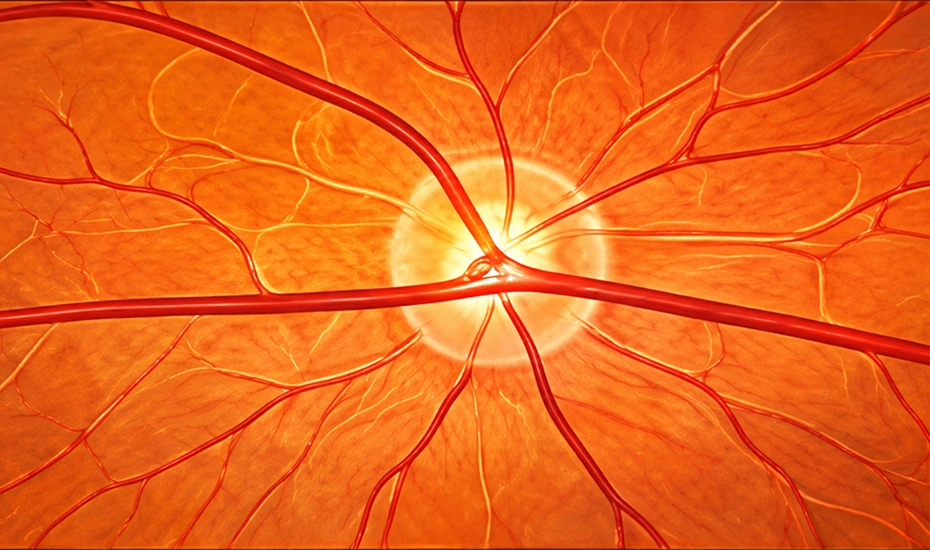
Changes in Vessel Wall Appearance
Thickening and increased opacity of retinal arteriolar walls, often described as copper wiring or silver wiring, are associated with retinal arteriolosclerotic changes.
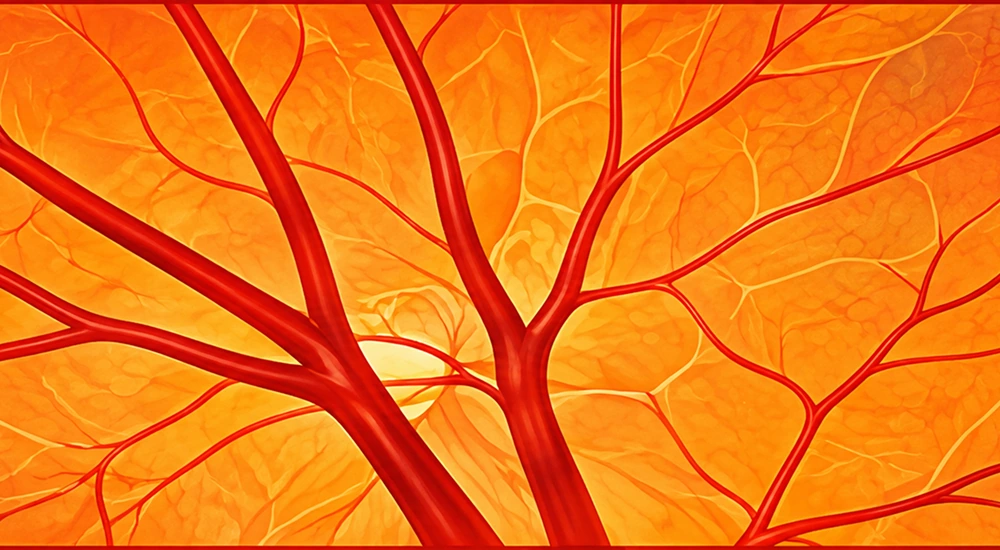
Alterations in Vascular Geometry
Changes in vessel branching patterns, curvature and tortuosity are also being studied as potential indicators of systemic vascular health.
Key Takeaways
 The retina provides a direct view of tiny blood vessels in the body.
 Certain retinal vascular changes can be associated with arteriosclerosis risk and cardiovascular health.
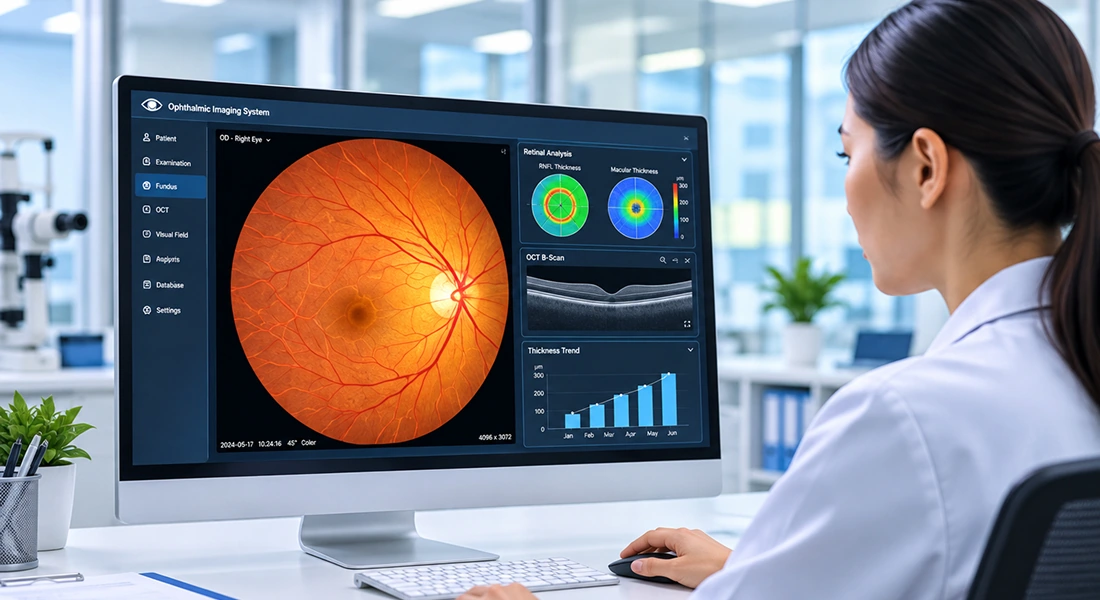
 AI retinal screening can help analyse retinal images and identify patterns that may require further clinical assessment.
 It supports preventive healthcare by highlighting potential risks earlier.
Who Should Pay Attention to Their Vascular Health?
- Adults with high blood pressure.
- Individuals living with diabetes.
- People with elevated cholesterol levels.
- Individuals with a family history of cardiovascular disease.
- Adults with multiple metabolic risk factors.
- People seeking a more proactive approach to preventive healthcare.
Medical note: Retinal vascular findings are not a standalone diagnostic test for systemic arteriosclerosis or atherosclerosis. Screening results should be interpreted alongside medical history, blood pressure, laboratory findings and clinical assessment by an appropriately qualified healthcare professional.